

Autumn Has Arrived: What Your Dog or Cat Needs You to Notice
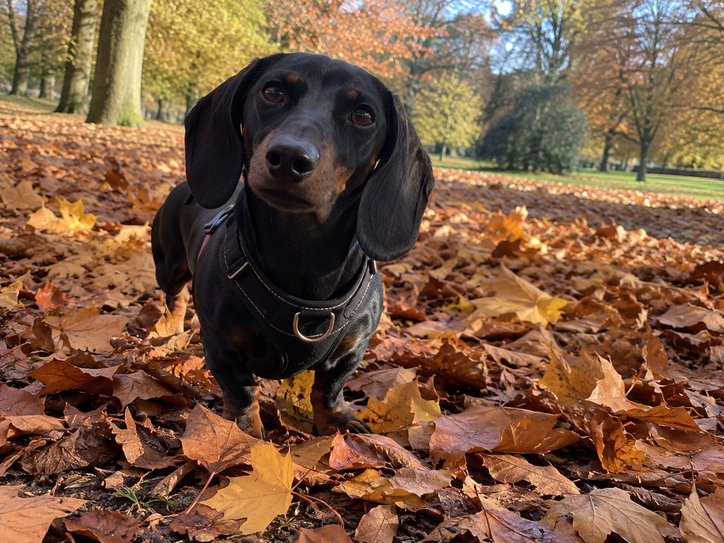
You might notice the leaves changing colour, the mornings getting darker and the first proper chill in the air. Your pet notices those things too, although probably for very different reasons.
For dogs, autumn can mean exciting new smells, muddy walks and plenty of things to investigate. Cats may spend a little more time indoors as the weather changes, while rabbits and other small pets can also be affected by cooler temperatures and shorter days.
Autumn is a lovely time of year to enjoy with our pets, but it also brings a few changes that are worth being aware of. Some are simply part of the season, while others can affect your pet’s health and safety.
Here are some of the things to look out for as autumn arrives.
The clocks are changing
One of the biggest changes in October is one that we sometimes forget our pets notice: the clocks going back.
Our pets do not understand that we have suddenly decided to change the time by an hour. They simply know that breakfast, walks, bedtime and all the other familiar parts of their day normally happen at certain points.
Dogs and cats are creatures of habit, so a sudden change in routine can be unsettling for some animals. If your dog normally expects their morning walk at 7am, for example, they may not immediately understand why everything seems to be happening an hour earlier.
The good news is that most pets adjust fairly quickly. If your pet is particularly attached to a routine, you can make the change more gradually by moving feeding, walking and bedtime by around ten minutes each day in the lead up to the clocks changing. This can make the transition much easier.
The other thing to remember is that the evenings will suddenly be darker. If you normally walk your dog after work, you may find yourself doing more of your walks in the dark, so visibility becomes much more important.
Autumn walks can be brilliant, but watch what your dog picks up
There is something particularly enjoyable about an autumn dog walk. Cooler temperatures can make it more comfortable for dogs that struggle in warmer weather, and there are plenty of new smells and things to investigate.
The problem is that some of those things are not particularly good for them to eat.
Acorns and conkers are two obvious examples. They may look like harmless things for a dog to pick up, but swallowing them can cause stomach problems and, in some cases, a potentially serious blockage.
Autumn is also the time when fungi become more noticeable, particularly in damp areas. There are many different types of mushroom and toadstool, and it is not always possible to tell which are safe simply by looking at them.
If your dog is a determined scavenger, keep a particularly close eye on what they are picking up during autumn walks. If you think your pet has eaten something potentially poisonous or something that could cause a blockage, contact your vet for advice rather than waiting to see what happens.
Don’t assume fleas disappear when summer ends
There is a common assumption that fleas are mainly a summer problem and that parasite treatment becomes less important once the weather starts to cool.
Unfortunately, that is not necessarily the case.
Fleas can continue to be a problem throughout the colder months, particularly because our centrally heated homes provide a warm environment in which they can survive. Flea eggs and other stages of the flea life cycle can also remain in the home, meaning an infestation is not necessarily obvious from looking at your pet.
This is why keeping your pet’s parasite protection up to date is important throughout the year rather than only during the warmer months.
At Highgate Veterinary Clinic, we can advise you on suitable flea, worm and tick protection for your pet based on their individual lifestyle and needs. Highgate’s Pet Health Plan also includes year round parasite protection for fleas, worms, mites and ticks.
Your pet may start moulting more
If you suddenly find yourself vacuuming up considerably more fur than usual, autumn could be the reason.
Many pets moult more noticeably during spring and autumn as their coats change with the seasons. The amount varies considerably between individual animals, breeds and coat types, so knowing what is normal for your own pet is important.
Regular brushing can help remove loose hair and gives you a good opportunity to check your pet’s skin at the same time.
Pay particular attention to anything that looks unusual, such as bald patches, sores, persistent itching or changes in the condition of the coat. Normal moulting should not leave your pet with areas of missing fur or obviously irritated skin.
It is also a good opportunity to check for ticks after walks. They can still be a problem during autumn, particularly in areas of long grass, woodland and vegetation.
Wet weather means muddy paws
Autumn weather in the UK can change remarkably quickly. A walk that starts in bright sunshine can end with rain, mud and a very enthusiastic dog who has managed to get filthy from head to tail.
For most pets, getting wet is not a problem in itself, but it is worth making sure they are dried properly when they come home, particularly if they have a thick coat or are prone to skin problems.
Paws deserve a little attention too. Mud and debris can collect between the pads, while wet conditions can make it easier for small bits of grit and other material to become irritating.
A quick check and clean after a particularly muddy walk can help prevent problems. It is also a good habit to get into before the weather becomes properly cold.
Cooler weather can make stiff joints more noticeable
If your dog or cat already has arthritis or another condition affecting their joints, you may notice that they seem a little stiffer as the weather becomes cooler.
That does not necessarily mean the colder weather has caused the problem. Rather, the change in temperature and activity levels may make existing stiffness more noticeable.
You might find that your dog takes longer to get up after sleeping, is less enthusiastic about a long walk or seems stiff at the beginning of a walk before loosening up. Cats may be less willing to jump onto their usual high spots or spend more time sleeping in warm places.
If you notice a persistent change in your pet’s mobility, do not simply assume that it is because of the weather or their age. There are many ways that veterinary treatment and lifestyle changes can help pets with painful joints, and the earlier a problem is addressed, the better.
Shorter days can change your pet’s routine
The shorter days of autumn can affect more than just the time you take your dog for a walk.
If you have an outdoor cat, you may find that they spend more time indoors as the evenings become darker and wetter. Some cats will happily curl up somewhere warm and wait for better weather, while others will continue demanding to go outside regardless of what the weather forecast says.
If your cat is spending more time indoors, make sure they still have plenty of opportunities to exercise, explore and behave naturally. Simple things such as play, scratching posts, climbing areas and places to hide can make a big difference.
Dogs also need to keep active as the days get shorter. If bad weather or darkness means you are doing shorter walks, look for other ways to keep them mentally stimulated at home. Training, scent games, food puzzles and interactive play can all help.
Autumn can be a good time to notice changes
There is another reason autumn is a useful time to pay attention to your pet.
When the weather changes, we naturally start noticing changes in our pets’ routines too. Perhaps your dog is sleeping more, your cat is grooming differently or your pet seems less enthusiastic about going outside.
Some of these changes will be perfectly normal responses to the changing season. Others may have nothing to do with autumn at all.
If a change persists or you are concerned that your pet is not quite themselves, it is worth getting them checked rather than assuming the season is responsible. Changes in appetite, drinking, weight, behaviour, mobility or toileting can sometimes be early signs of illness.
At Highgate Veterinary Clinic, we offer a wide range of veterinary services including routine health checks, vaccinations, dentistry, diagnostic testing and nurse clinics. Our team can help you work out whether a change is simply seasonal or whether it needs further investigation.
Enjoy autumn with your pet
Autumn is a great season for pets and their owners. There are cooler days for exploring, plenty of new smells for dogs to investigate and lots of opportunities for cosy evenings at home.
Just keep an eye on the less obvious changes that come with the season. Check what your dog is picking up on walks, keep parasite protection up to date, take a little extra care of muddy paws, remember that the clocks are changing and make sure your pet remains comfortable as the temperature drops.
Most importantly, keep an eye on what is normal for your own pet.
You know their habits better than anyone, so if something seems different and does not settle, trust your instincts and speak to your vet.
A little extra attention in autumn can help make sure that you and your pet can enjoy everything this time of year has to offer.
Tags: autumn pet care, best vet Cambridgeshire, best vet near me, fear free vet