Is Your Pet Getting Older, or Is Something Actually Wrong?
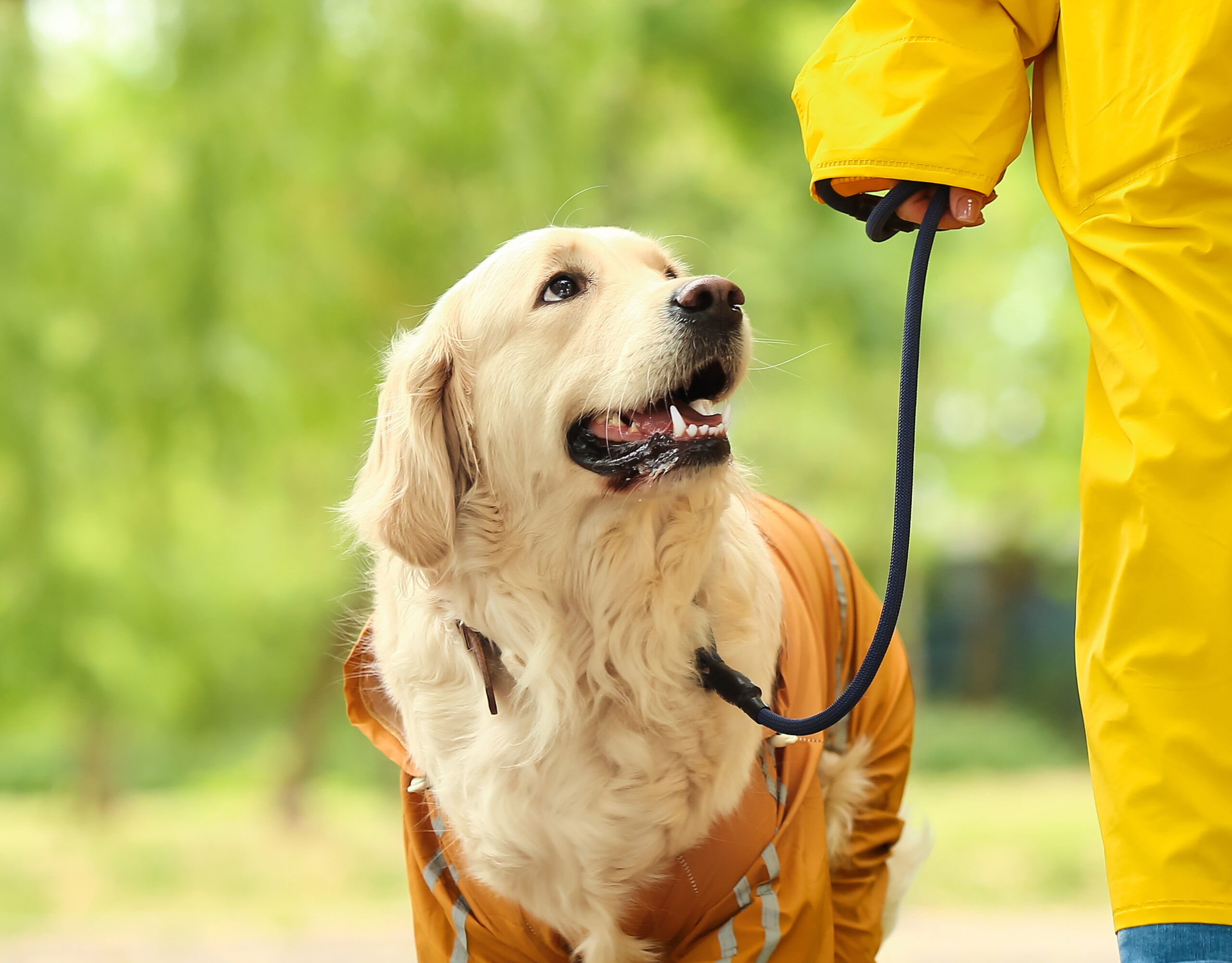
As our pets get older, it is natural for them to slow down a little. They may sleep more than they used to, take longer to get up after a nap or decide that a long walk is no longer quite as appealing as it once was. Cats may become less interested in jumping onto high surfaces and prefer to spend more time in their favourite sleeping spots.
It is easy to assume that these changes are simply part of getting older. After all, we all expect our pets to change as the years go by. But while some changes are perfectly normal, others can be signs of an underlying health problem. The tricky part is that the signs are not always obvious, particularly in older cats and dogs.
So, how can you tell the difference between normal ageing and something that needs a closer look?
When slowing down could be more than age
One of the most common changes owners notice is that their pet is becoming less active. Perhaps your dog does not want to walk quite as far as they used to, hesitates before going upstairs or takes a little longer to get out of the car. Your cat may stop jumping onto the sofa or choose a lower sleeping spot instead of their usual favourite perch.
While older pets will naturally become less energetic, pain is not simply an inevitable part of getting old. Arthritis is particularly common in older dogs and cats, and the signs can be surprisingly subtle. Rather than limping or crying out, a pet may simply become less enthusiastic about things they once enjoyed.
You might notice that your dog is slower getting up after resting, reluctant to climb stairs, less keen on longer walks or generally quieter than usual. Cats can be even more difficult to read because they are very good at hiding discomfort. A cat that is no longer jumping, playing or grooming as much as before may be experiencing pain without showing any obvious signs.
If you notice that your pet is moving differently, it is worth having them checked rather than assuming they are simply slowing down with age. In many cases, there are things that can be done to improve their comfort and mobility.
A change in drinking or toileting habits
Another change that should not automatically be put down to age is an increase in thirst.
If your older dog or cat has suddenly started drinking much more water, or you are noticing that they need to urinate more frequently, it is worth speaking to your vet. Increased thirst and urination can be associated with a number of health conditions, including kidney disease and hormonal disorders.
Kidney disease is more common in older pets and can develop gradually, meaning there may be very few obvious signs in the early stages. Increased thirst, weight loss, reduced appetite and a lack of energy can all be reasons for further investigation.
This is one of the reasons regular health checks become increasingly important as our pets get older. Blood tests and urine analysis can give your vet valuable information about what is happening inside your pet, even when they still appear reasonably well at home.
Losing weight without trying
We tend to notice weight loss more easily in some pets than others, but unexplained weight loss should never simply be dismissed as a normal part of ageing.
You may find that your pet appears to be eating normally but is gradually becoming thinner. In other cases, their appetite may have changed as well. There are many possible reasons for weight loss, from dental problems and digestive issues to kidney disease and other underlying illnesses. In older cats, conditions such as hyperthyroidism can also cause weight loss, sometimes despite an increased appetite.
If your pet’s weight or body shape is changing without an obvious explanation, it is worth getting them checked. A vet examination and, where appropriate, blood or urine tests can help establish what is causing the change.
Changes in behaviour can tell you a lot
Behaviour is another area where it can be difficult to know whether you are seeing normal ageing or a sign of illness.
Perhaps your normally friendly dog has become more irritable, or your cat has started hiding more than usual. Your pet may seem less interested in interacting with you, become more vocal at night or appear confused in familiar surroundings.
There are many possible explanations for these changes. Pain, reduced hearing or vision, underlying illness and age related cognitive changes can all affect an older pet’s behaviour.
Some older dogs and cats can develop cognitive dysfunction, sometimes described as dementia. Signs can include changes in sleeping patterns, confusion, getting stuck in familiar places, changes in toilet habits, increased vocalisation and changes in the way they interact with people or other animals.
It is important not to assume that these changes are simply because your pet is getting old. Several other health problems can cause similar symptoms, so a veterinary check is worthwhile if you notice a significant change in your pet’s behaviour.
Has your cat stopped grooming?
Cats are particularly good at hiding the fact that they are not feeling their best, which means small changes can be easy to miss.
One of those changes can be grooming. If an older cat is experiencing pain or stiffness, they may find it more difficult to reach certain parts of their body. Their coat can gradually become greasy, matted or less well maintained.
You may also notice that they are spending more time hiding, are less interested in playing or are no longer jumping onto their usual favourite places.
Because these changes often happen gradually, owners can sometimes get used to them without realising that anything has changed. If your cat no longer seems quite like themselves, it is worth paying attention. You know their normal behaviour better than anyone.
Sleeping more can be perfectly normal
Older pets often sleep more than younger animals, and on its own, this is not necessarily something to worry about.
The important thing is to look at the bigger picture. Is your dog sleeping more because they are comfortable and content, or because they seem reluctant to move when they are awake? Is your cat still interested in food, attention and exploring the house? Are they still enjoying their normal activities?
A gradual increase in sleeping can be part of ageing, but a sudden or noticeable change is worth keeping an eye on, particularly if it happens alongside changes in appetite, weight, drinking, mobility or behaviour.
Dental problems can be easy to overlook
Dental disease is another problem that can sometimes be mistaken for a consequence of getting older. Pets do not always stop eating when their teeth or gums are causing them discomfort, so the signs can be surprisingly subtle.
Bad breath, chewing differently, dropping food, eating more slowly or becoming reluctant to have their face touched can all indicate that something is wrong. Some pets will continue eating despite having significant dental disease.
Regular dental checks are therefore particularly important as pets get older. At Highgate Veterinary Clinic, we offer dental care including dental X rays, which can help investigate problems beneath the gum line that may not be visible during a routine examination.
Why regular checks become more important
As your pet gets older, regular veterinary health checks can become an increasingly valuable part of their care. An examination gives your vet the opportunity to look for subtle changes that may not yet be obvious to you at home.
Depending on your pet’s age, species and individual health, your vet may recommend additional checks such as blood pressure measurement, blood tests or urine analysis. At Highgate, senior pet checks are available through our nurse clinics, alongside blood testing and full urine analysis.
Blood pressure can also be particularly important in older cats. High blood pressure is more common in older cats and can be associated with conditions including chronic kidney disease and hyperthyroidism. At Highgate, blood pressure measurements and eye examinations are recommended as part of routine health checks for cats over seven years old.
These checks can help identify health problems earlier, when your pet may still appear perfectly well at home.
What should you look out for at home?
You do not need to worry about every little change or constantly monitor your pet. The most useful thing you can do is simply become familiar with what is normal for them.
Keep an eye on their weight, appetite and drinking habits, as well as how easily they get up and move around. Notice whether they are still interested in walks, play and interaction, and watch for changes in grooming, sleeping, toileting or general behaviour.
It can also be useful to take a short video if you notice something unusual. For example, if your dog seems stiff when getting up from their bed, a video of them moving around at home can sometimes give your vet useful information that may not be obvious during an appointment.
Most importantly, trust your instincts. If your pet has gradually become quieter, less active or simply seems different, you are often the person most likely to notice it.
When should you speak to your vet?
You do not have to wait until your pet seems seriously unwell before contacting your vet. If you notice a persistent change in their behaviour, appetite, weight, drinking, mobility or general wellbeing, it is worth discussing it with a veterinary professional.
This is particularly important when several small changes are happening at the same time. A pet that is drinking more, losing weight and sleeping more, for example, deserves a closer look rather than simply being labelled an old dog or an old cat.
Your pet may simply be getting older, but they may also be showing you that something is not quite right.
Getting older does not mean life has to slow down
There is something special about having an older pet. You know their personality, their routines and all their little habits. You know where they like to sleep, how they ask for dinner and exactly how excited they become when you pick up the lead.
You also know when they are not quite themselves.
Ageing is a natural part of life, and older dogs and cats can continue to enjoy a wonderful quality of life for many years. The important thing is not to assume that every change is simply a result of getting older.
Sometimes a little extra investigation, care or treatment can make a surprisingly big difference.
At Highgate Veterinary Clinic, we provide a wide range of veterinary services to help older dogs and cats stay healthy and comfortable. From routine examinations and blood pressure checks to blood and urine testing, our team can investigate changes in your pet’s health and help you understand what is happening as they get older.
If something about your pet has changed and you are not sure whether it is simply part of ageing, it is always better to ask.
After all, they cannot tell us when something hurts or when they are feeling different.
But you know them, and sometimes noticing that one small change is the most important thing you can do for them.