

The Secret Lives of Small Pets: 7 Things Your Rabbit, Guinea Pig or Hamster Wishes You Knew
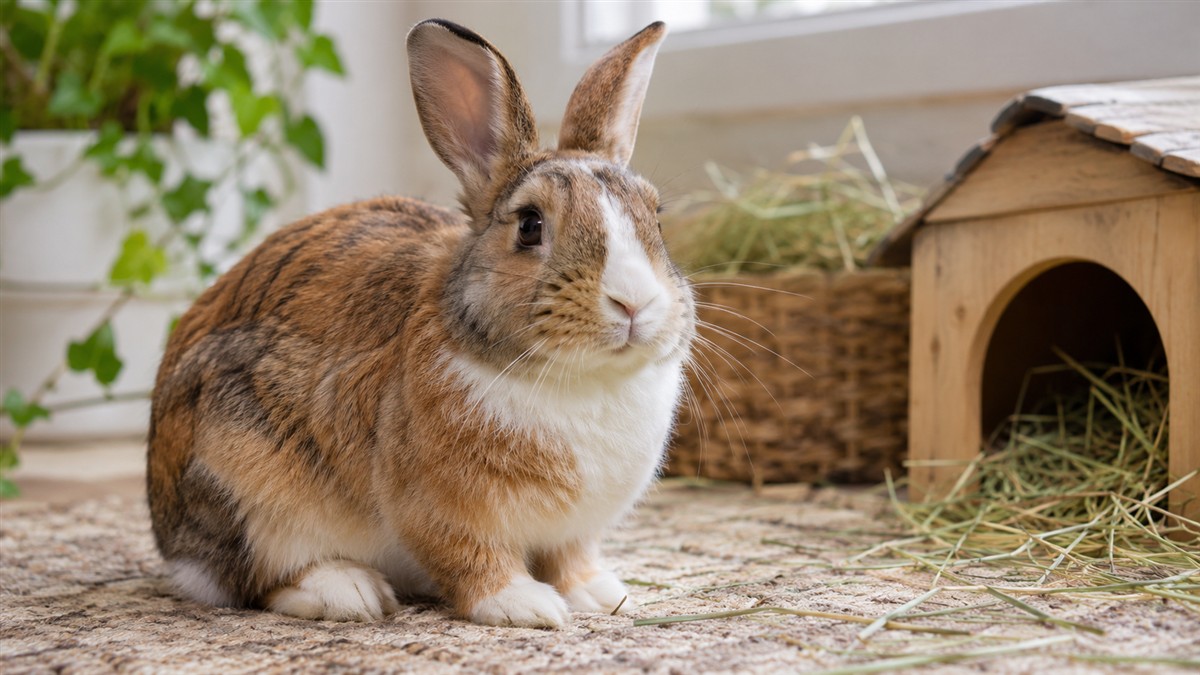
Rabbits, guinea pigs and hamsters might be small, but anyone who has spent time with them will know that they have plenty of personality. From rabbits leaping into the air for no apparent reason to guinea pigs making a tremendous fuss whenever the fridge opens, these little animals have some fascinating ways of communicating.
The trouble is that we do not always understand what they are trying to tell us. Some behaviours that seem strange are perfectly normal, while others can give us important clues about how a pet is feeling.
So, whether you have a rabbit who likes to rearrange their belongings, a guinea pig who seems to have an opinion on everything or a hamster who only comes to life when you are ready for bed, here are seven things worth knowing about their secret lives.
1. That strange rabbit jump is actually a good sign
If you have ever watched a rabbit suddenly leap into the air, twist its body and land before racing off again, you may have wondered what on earth just happened.
This wonderful little movement is known as a binky, and it is generally a sign of a happy, excited rabbit. Some rabbits perform impressive leaps and twists, while others make smaller hops or flick their heads as they run.
Rabbits also communicate through their ears, posture and facial expressions. A relaxed rabbit may stretch out comfortably on the floor, while one that is alert or worried may sit upright with its ears raised.
Of course, every rabbit has its own personality. Some are naturally more energetic and expressive than others, so the best way to understand your rabbit is to become familiar with what is normal for them.
2. Guinea pigs have a surprisingly large vocabulary
Guinea pigs are wonderfully vocal little animals, and their owners soon discover that not all squeaks mean the same thing.
One of the most recognisable sounds is the loud, high pitched wheek. If your guinea pig starts making this noise whenever you enter the kitchen or rustle a bag of vegetables, they may have learned to associate those sounds with something delicious arriving.
Guinea pigs also make quieter sounds when interacting with one another. You might hear gentle chattering or low rumbling noises, while teeth chattering can be a warning that a guinea pig is feeling irritated or threatened.
Then there is popcorning, another entertaining behaviour that involves sudden little jumps, sometimes with a twist in midair. Much like a rabbit’s binky, popcorning is commonly associated with excitement and happiness.
Learning to recognise these different behaviours can help you understand your guinea pigs better. The important thing is to consider the whole picture, including their posture, surroundings and normal behaviour, rather than assuming that every squeak means the same thing.
3. Your hamster isn’t being antisocial. You’re probably waking them up
Hamsters have a reputation for being rather independent, but sometimes we expect them to fit into our routines instead of understanding their own.
Many hamsters are naturally most active during the evening and night. While we are getting ready for bed, they may be preparing for their busiest hours of exploring, foraging and running.
This explains why a hamster might seem reluctant to interact during the day. Being woken suddenly can be stressful, and a frightened or startled hamster may bite in self defence.
Rather than waking your hamster for attention, try spending time with them when they are naturally awake. Allow them to approach you at their own pace, and use gentle handling and suitable treats to build trust.
It is also worth remembering that hamsters need much more than somewhere to sleep and an exercise wheel. They are natural diggers and foragers, so deep, suitable bedding, hiding places and opportunities to search for food are important parts of a healthy environment.
4. Small pets need friendships, but not all friendships work
One of the biggest misconceptions about small pets is that they are happy living alone simply because they are small.
Rabbits are highly social animals and generally need the company of another compatible rabbit. Guinea pigs also thrive with suitable companions of their own species, and watching them interact can be one of the most enjoyable parts of keeping them.
However, rabbits and guinea pigs should not normally be housed together. Although they may look like suitable companions, they communicate differently, have different dietary requirements and can accidentally injure one another.
Hamsters are different again. Syrian hamsters should live alone, as sharing their enclosure with another hamster can lead to serious fighting. Social needs vary between hamster species, so it is important to research the needs of the particular animal you keep.
The lesson is that small pets are not all alike. Providing the right companionship, or allowing an animal to live alone when that is appropriate for its species, is an important part of keeping them happy and healthy.
5. A rabbit thumping its feet is trying to tell you something
A sudden loud thump from a rabbit can be quite startling, especially when everything around them seems perfectly peaceful.
In the wild, rabbits use their powerful back feet to warn others about possible danger. Pet rabbits still have this instinct, and a thump may mean they have heard, seen or smelled something that makes them feel uneasy.
Sometimes the cause is obvious, such as an unfamiliar noise or a sudden movement. At other times, your rabbit may have noticed something you have completely missed.
Thumping can also happen when a rabbit is frustrated or wants more space, so it is worth looking at what is happening around them.
If your rabbit seems frightened, give them somewhere safe to hide and avoid forcing them to interact. Understanding these signals is one of the best ways to help a rabbit feel secure in its home.
6. Their teeth are doing something rather extraordinary
Here is something many owners do not realise until they have kept rabbits or guinea pigs: their teeth continue growing throughout their lives.
This is why their diet is so important.
Rabbits and guinea pigs need a constant supply of good quality hay or suitable grass. The repeated chewing helps wear their teeth down naturally, while the fibre is also essential for keeping their digestive systems working properly.
Without the right diet, dental problems can develop. Overgrown or incorrectly aligned teeth may make eating painful, and some problems affect teeth further back in the mouth where owners cannot easily see them.
Guinea pigs have another important dietary requirement. Unlike rabbits, they cannot produce their own vitamin C, so they need a reliable source of it through suitable food.
If your rabbit or guinea pig starts eating less, drops food, loses weight or develops a wet chin from drooling, dental disease is one possible explanation. These signs should always be taken seriously.
7. Small pets can be very good at hiding illness
Perhaps the most important thing to understand about rabbits, guinea pigs and hamsters is that they do not always make it obvious when something is wrong.
As prey animals, they have natural instincts that can make signs of illness or weakness less noticeable. A pet that is usually lively may become unusually quiet, spend more time hiding or show less interest in food.
With rabbits and guinea pigs, a reduction in eating or droppings is particularly concerning. Their digestive systems rely on a steady supply of fibre, and a rabbit or guinea pig that stops eating needs urgent veterinary attention.
Other changes worth watching for include weight loss, unusual breathing, difficulty moving, changes in grooming or a noticeable difference in normal behaviour.
One useful habit is to weigh your small pets regularly using suitable scales. Gradual weight loss can sometimes be difficult to spot just by looking at them, especially in animals with thick coats.
The more familiar you are with your pet’s usual habits, the easier it becomes to notice when something is not quite right.
Getting to know your small pet
One of the nicest things about keeping small pets is discovering their individual personalities. Two rabbits can behave completely differently, just as one guinea pig may be particularly vocal while another is much quieter.
Taking the time to observe them, understand their natural behaviours and provide the right environment can make a real difference to their wellbeing. It also makes sharing your home with them much more rewarding.
At Highgate Veterinary Clinic, we understand that small pets deserve just as much attention to their health and wellbeing as larger animals. Our veterinary services include rabbit vaccinations and routine veterinary care, and our team can advise you about your pet’s individual needs.
If you notice a change in your rabbit, guinea pig or hamster’s appetite, behaviour or general health, please contact the practice for advice. With small animals, even subtle changes can be important, and getting help early can make a real difference.
They may be small, but there is certainly nothing small about their personalities.
Tags: pet dental care, pet vaccinations, pethealthmyths